Juglans nigra
Black Walnut
[ click on any image below to see larger version ]
Family:
Juglandaceae
(Walnut family)
Mid-Atlantic bloom time:
April
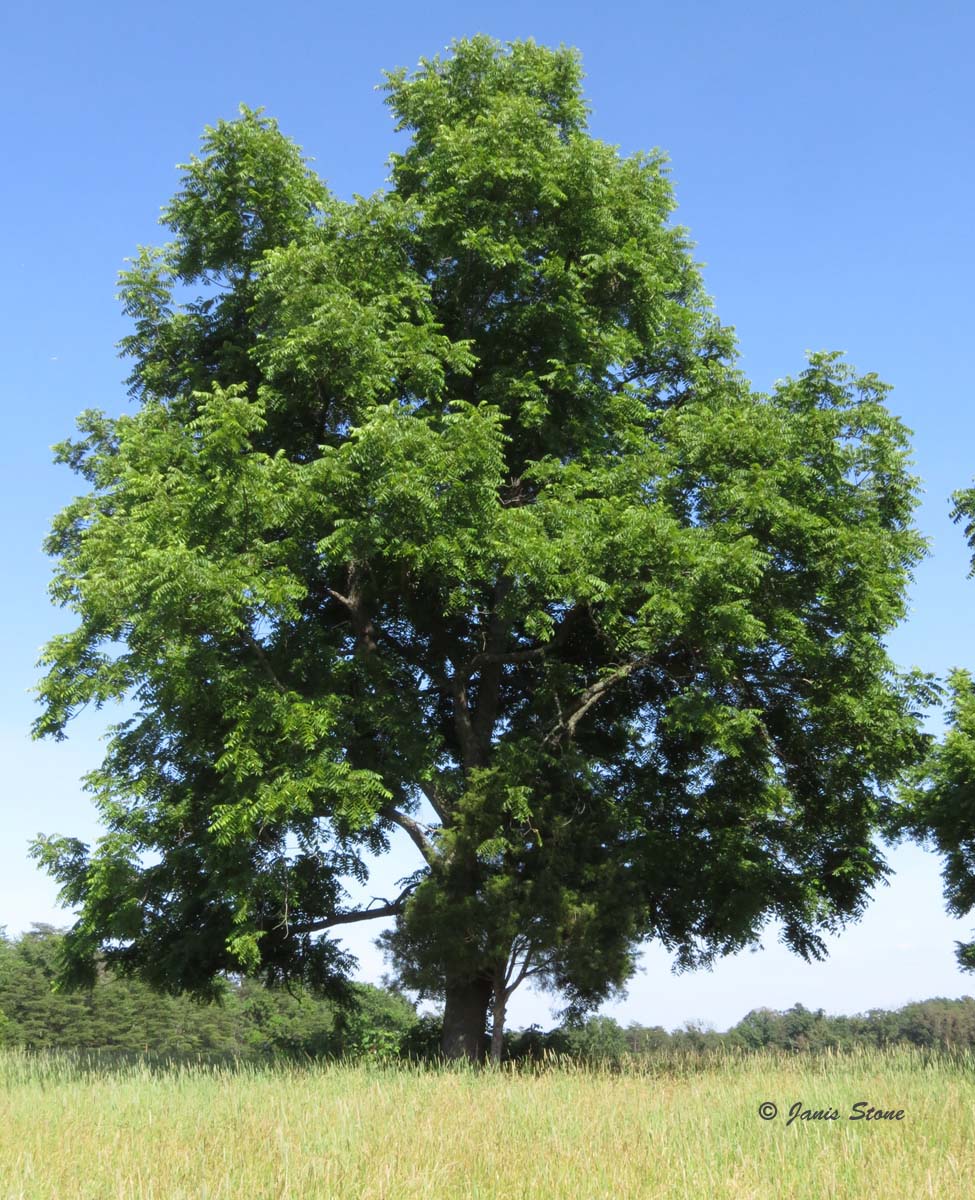
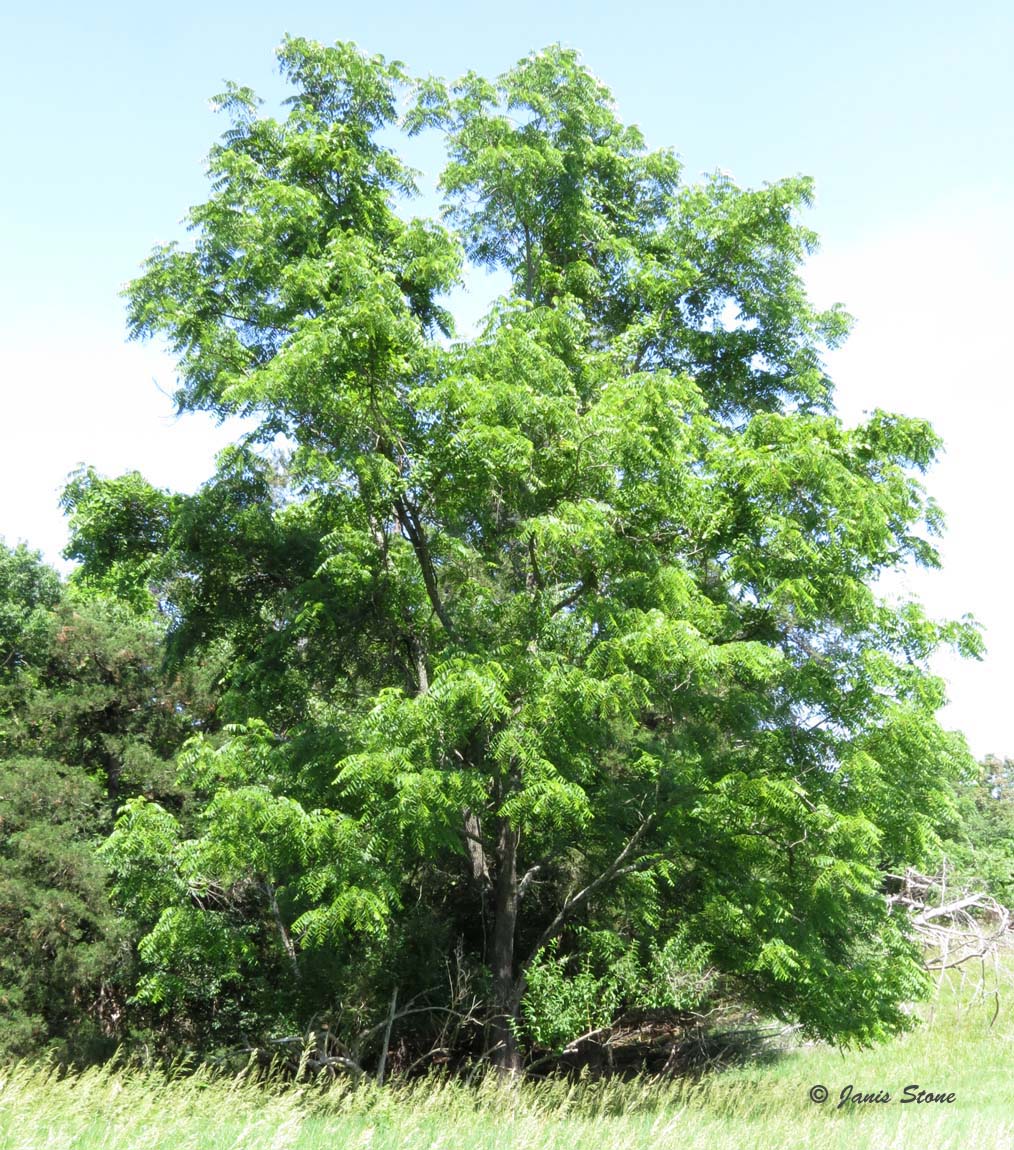
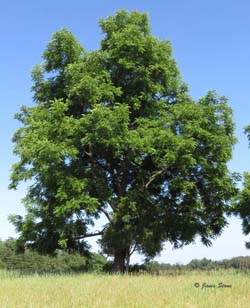
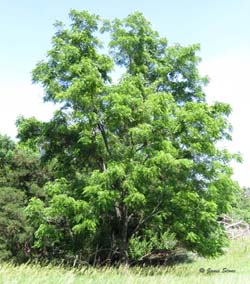
Black Walnut trees can grow to 50 meters tall.
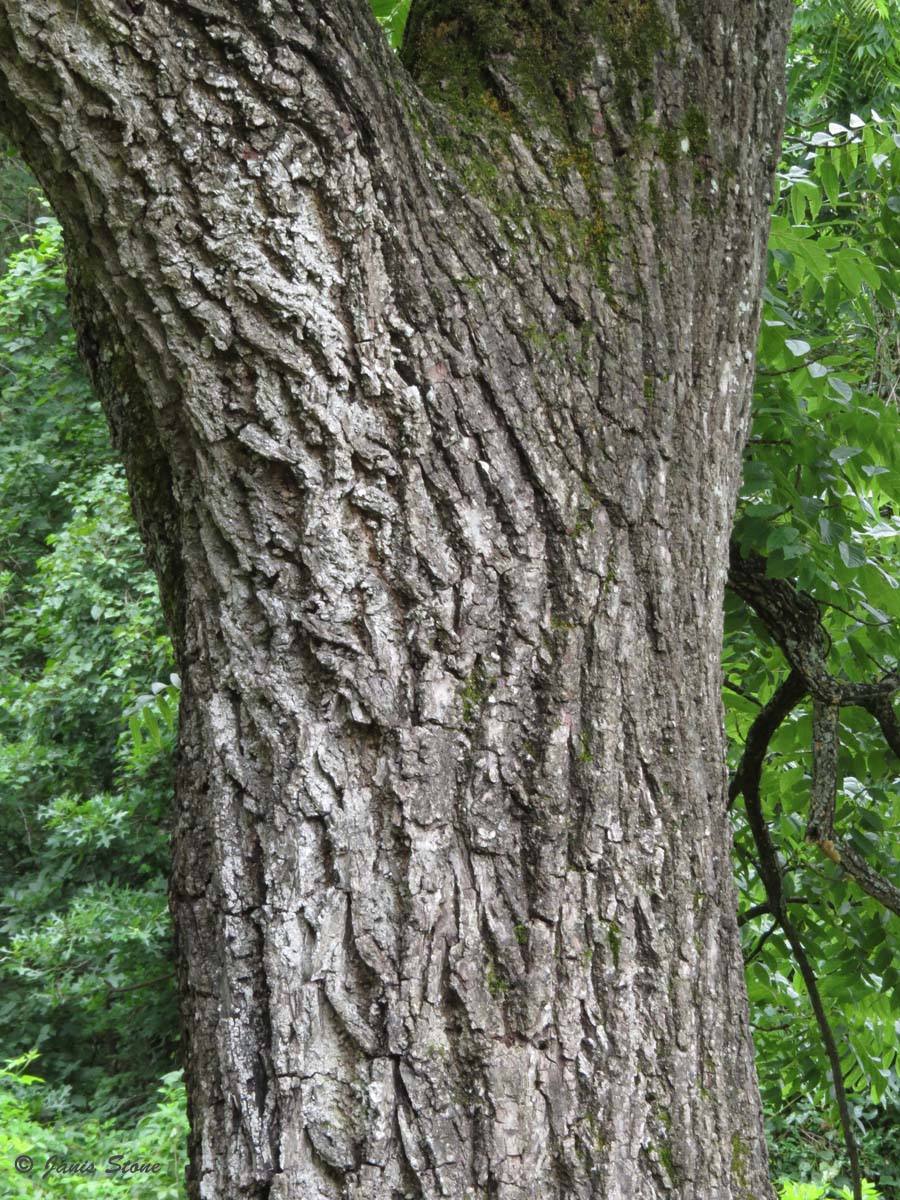
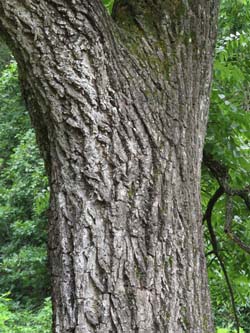
The bark is dark brown to nearly black, and is thick, rough, and deeply ridged.
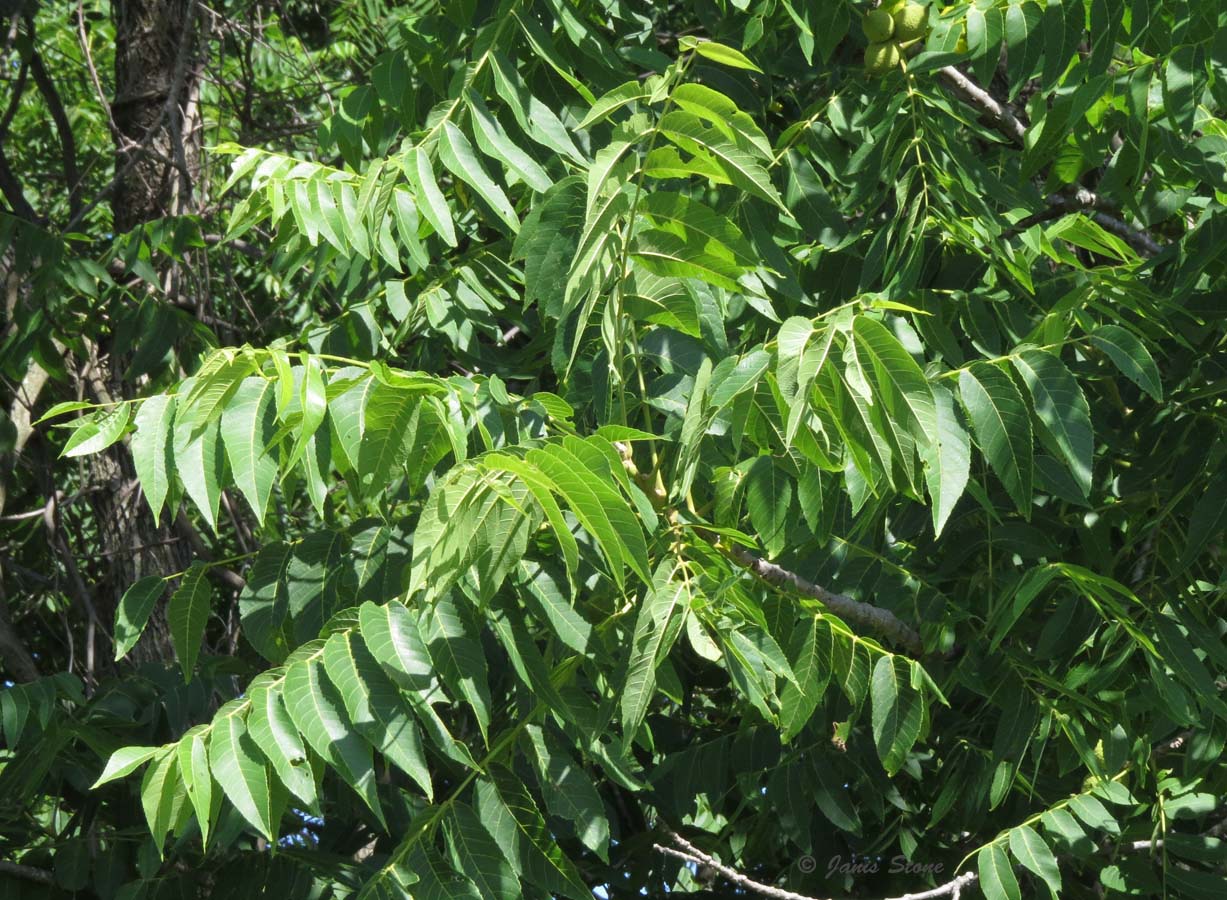
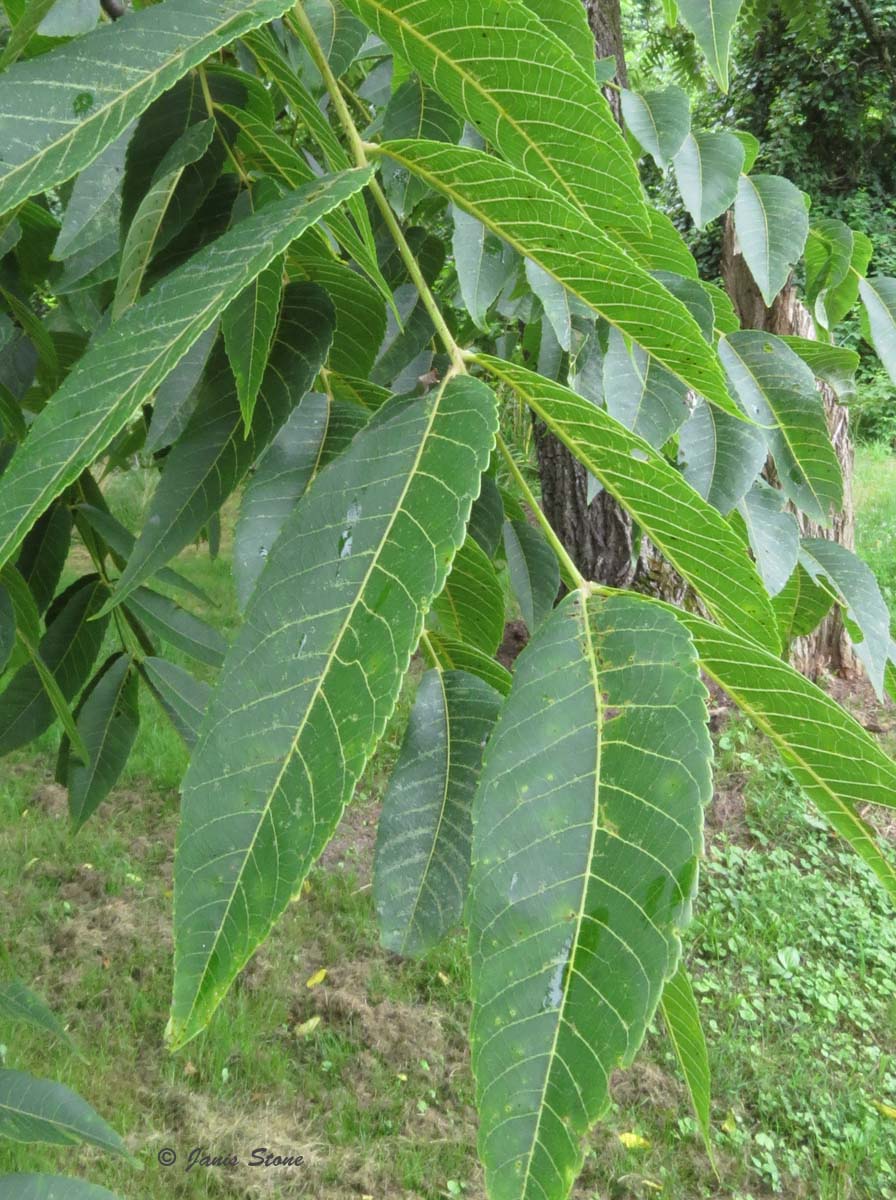
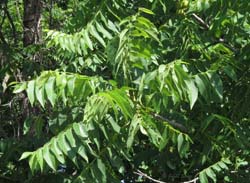
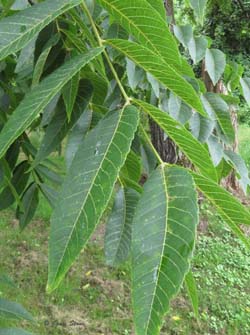
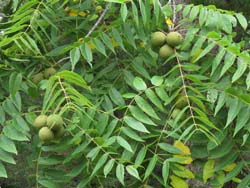
Its leaves are pinnately compound, with 9–23 leaflets.
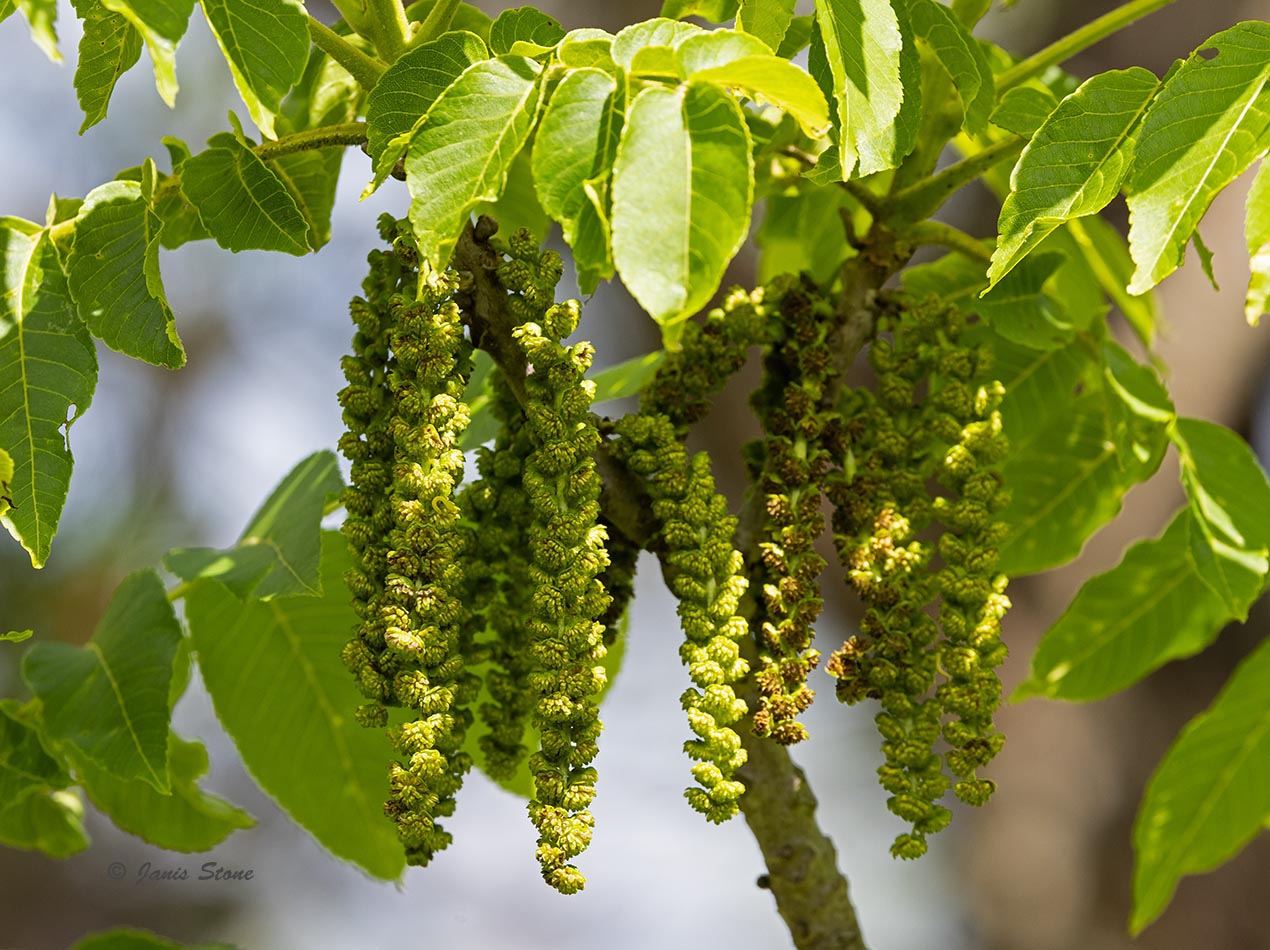
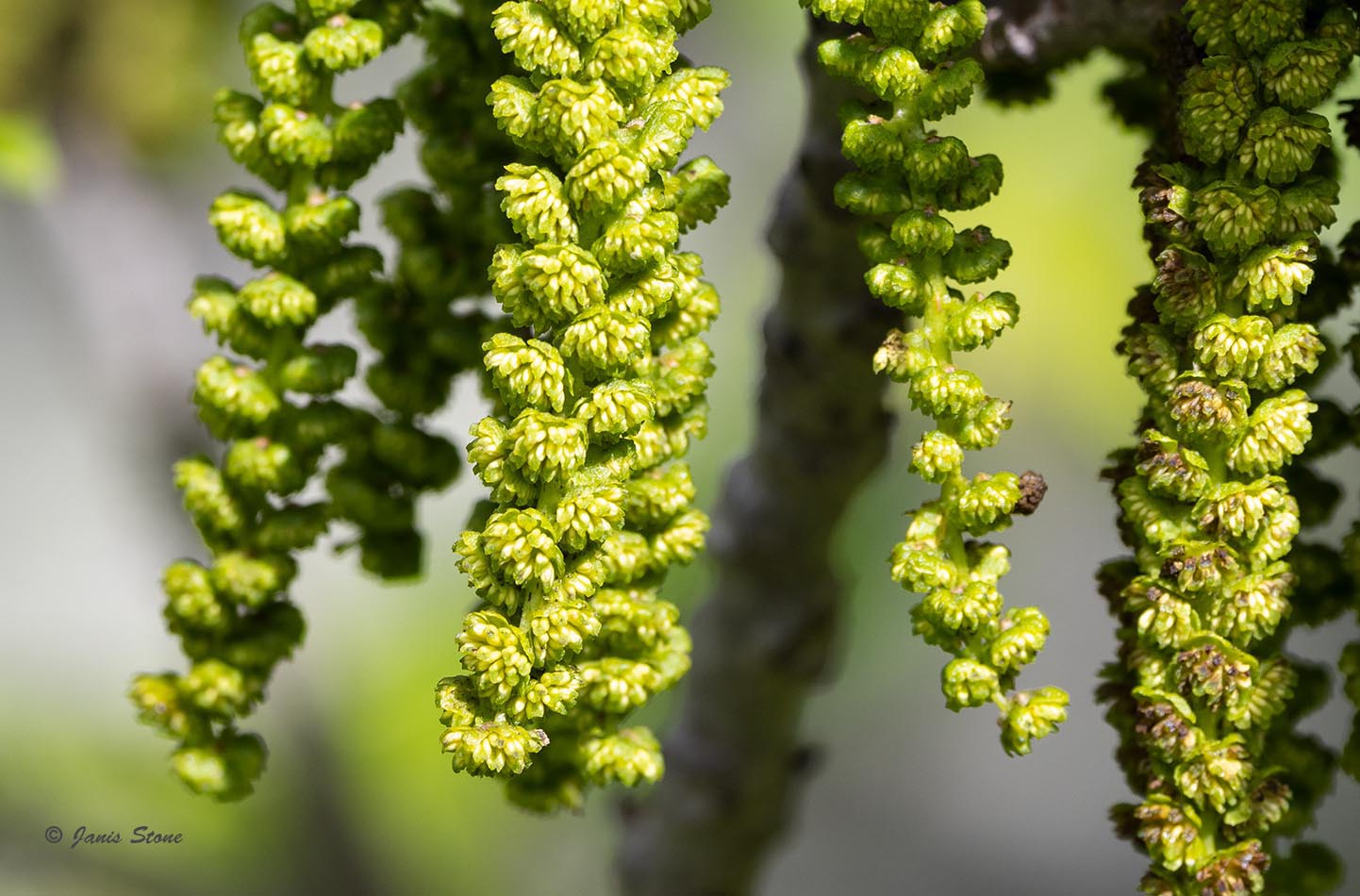
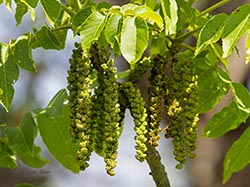
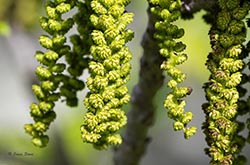
It produces drooping staminate catkins that emerge from the previous years buds.
The pistillate flowers are terminal,
in clusters of two to five on the current year's growth.
Common throughout, Black Walnut can be readily distinguished from the similar Butternut (J. cinerea)
when leaves are present by looking at the end of a compound leaf.
Black Walnut is usually missing the terminal leaflet, whereas Butternut usually retains the terminal leaflet.
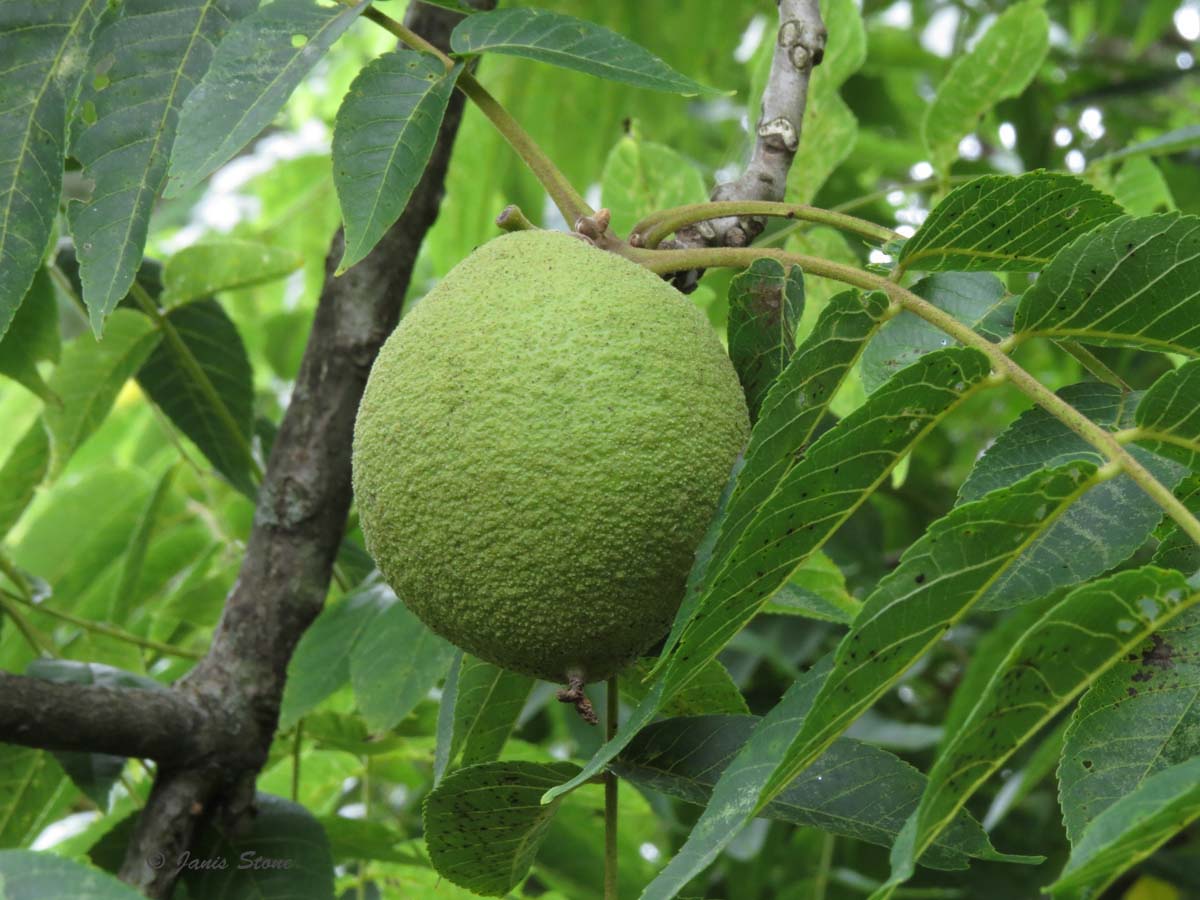
Black Walnut kernels are edible and have a distinctive robust flavor.
First, the husks must be removed.
These husks contain compounds contain a yellowish-brown dye,
which will stain both skin and other surfaces they come in contact with.
Cracking the tough nuts is a laborious process, which is why most walnuts sold in stores are the easier-to-crack English Walnuts.
20 June 2014
Manassas National Battlefield Park, Manassas, VA
|
20 June 2014
Manassas National Battlefield Park, Manassas, VA
|
20 June 2014
Manassas National Battlefield Park, Manassas, VA
|
24 July 2014
Merrimac Farm Wildlife Management Area, Nokesville, VA
(trunk ~12 inch diameter)
|
24 July 2014
Merrimac Farm Wildlife Management Area, Nokesville, VA
|
28 May 2022
Chesapeake and Ohio Canal National Historic Park, Great Falls, Potomac, MD
(staminate catkins)
|
28 May 2022
Chesapeake and Ohio Canal National Historic Park, Great Falls, Potomac, MD
(staminate catkins)
|
24 July 2014
Merrimac Farm Wildlife Management Area, Nokesville, VA
|
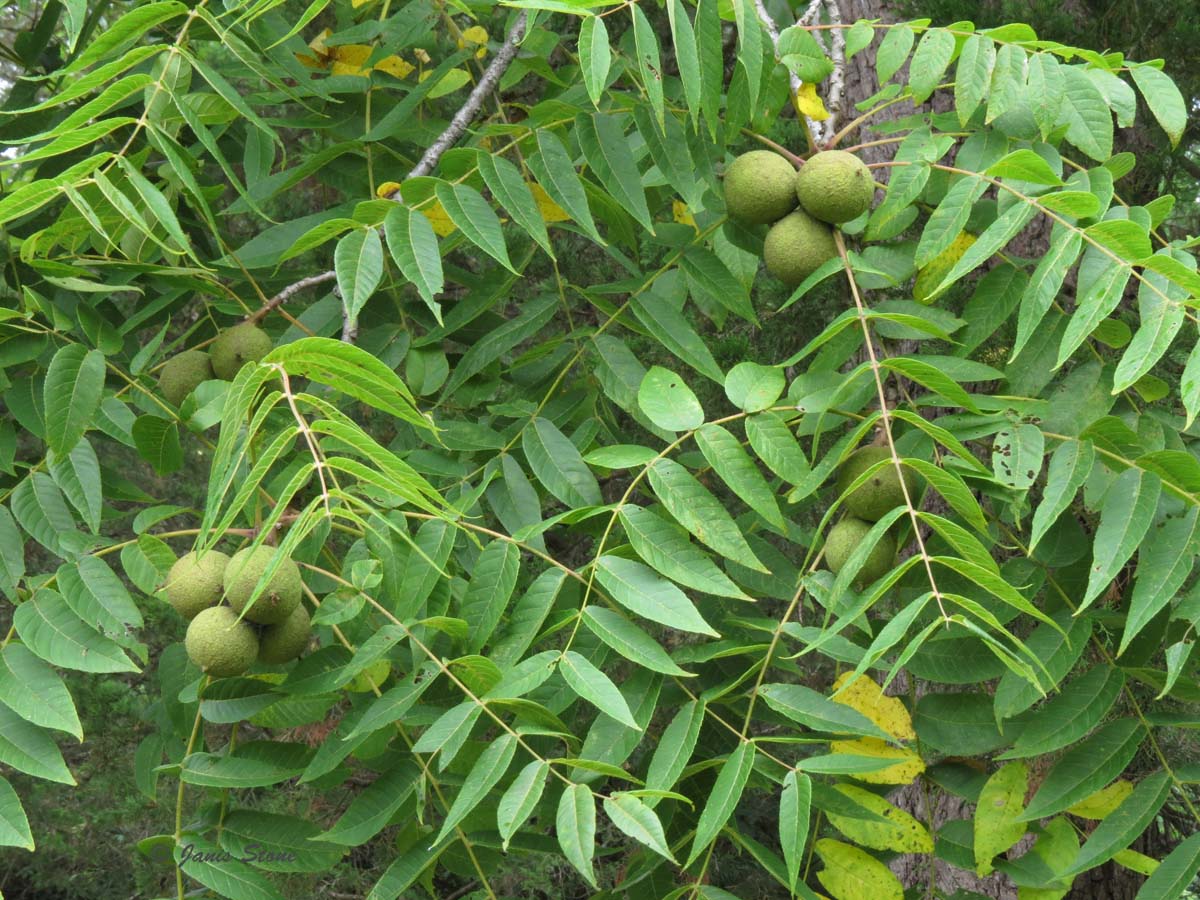
24 July 2014
Merrimac Farm Wildlife Management Area, Nokesville, VA
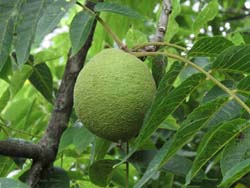
(ripening fruit)
|
|
|
|
>> return to list of flora